
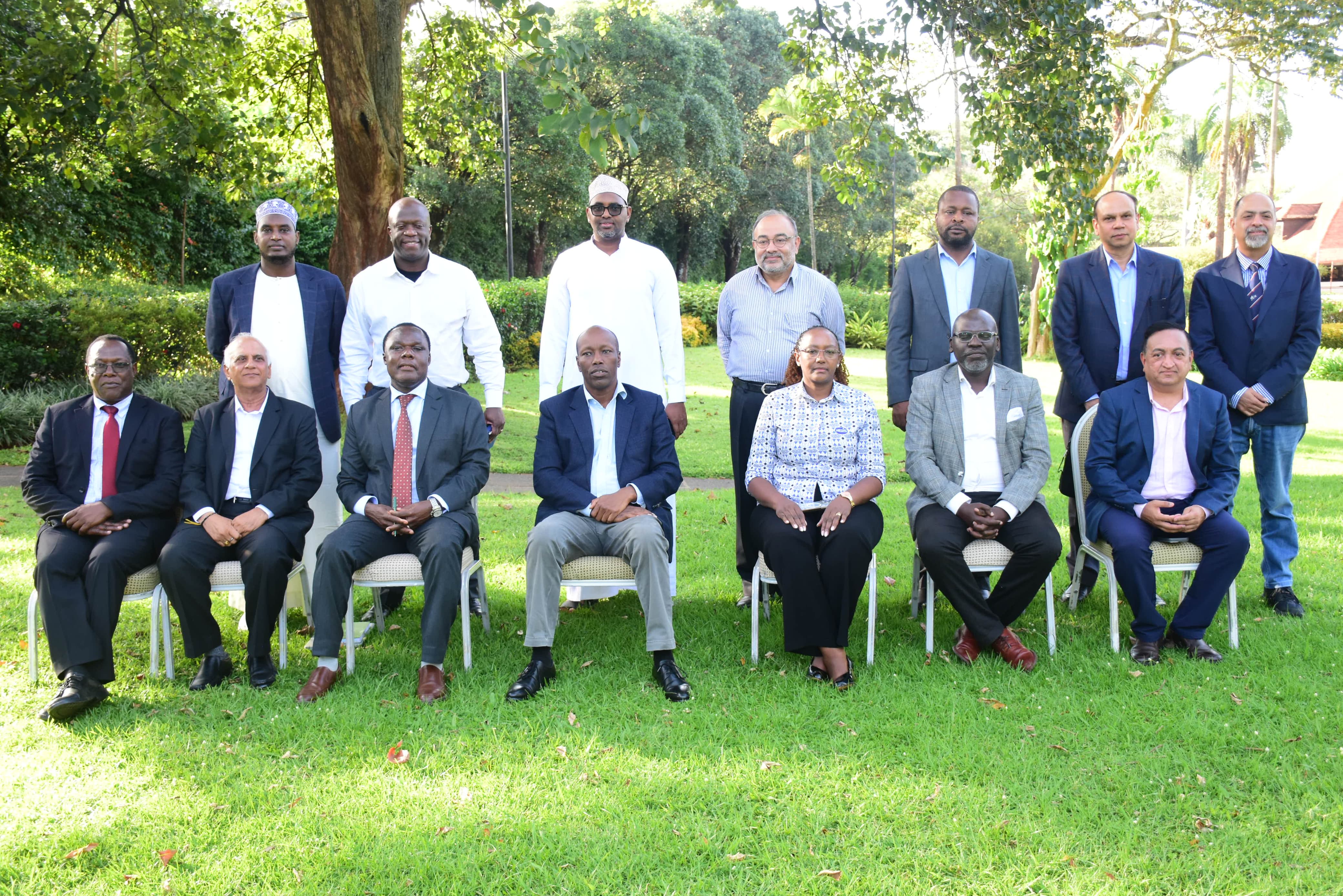
Government Banks on Quality, Standardized Steel; Cement and Clinker, to Spur Growth
The Government has resounded a stun warning at manufacturers of substandard construction materials, even as it moves in to regulate the prices and quality of steel, cement and clinker, to spur growth.
Cabinet Secretary for Investment, Trade and Industry Lee Kinyanjui, noted that substandard construction materials were flooding the Kenyan market, with proliferation of illicit and counterfeit trade denying local producer, value for their investment.
He noted that more resources will be channeled towards standardization arguing quality was key if Kenya had to remain competitive, as a producer and exporter of these construction materials.
Kinyanjui spoke at a consultative meeting that brought together manufacturers of Steel, Cement and Clinker, to deliberate on issues of regulations and tariffs structures.
On the pricing of Cement that has hit a 30 percent high in four years, the CS regretted that the prices were still rising despite local production of clinker, which is a key raw material in cement production. He called on the manufacturers to a round table to highlight and resolve the bottle necks.
There are currently four clinker manufacturers in the country, with a capacity of producing 10 million Metric Tonnes annually. This has made the country clinker-self-sufficient, with the surplus pushing exports up to 1.8Million metric tonnes in 2024 from nearly the same imports in 2020. This is well supported by the National Clinker verification, which averted distortionary taxes.
Principal Secretary for Industry, Dr. Juma Mukhwana, noted the need to maximize buying of raw materials locally, before seeking imports to substantiate the deficiency. This he noted will create value for local resources such as iron ore and other minerals.
“We have agreed that the steel produced here is vital for construction especially through the Affordable Housing Programme that is realizing taller buildings than before. We have confidence that the metal we are producing will give us the houses of the future beyond the region,” added Dr. Mukhwana.

There are also nine cement manufacturers in the country with a capacity to manufacture 16 million Metric tonnes annually against a demand of 8.4Million Metric tonnes last year. Cement exports in the country are destined for East African Community (EAC) market, with South Sudan accounting for 53 percent, DRC (20(), Tanzania (15) and Uganda (11).
Kenya Association of manufacturers led by CEO Tobias Alando and Chairman Bharat Shah noted the need bring in a win-win situation, for more investment that will mean more jobs and more exports.
Alando noted that Kenya remained a good investment destination despite the challenges being encountered including the costs of energy, that were exorbitant for local producers of steel.
The team also regretted that the halting of gypsum mining in Kenya had driven the costs higher as the producers of cement relied on imports to meet their raw materials needs, despite the 25 percent import duty. Gypsum in also a raw material in cement production.
“Kenya’s restriction on Coal extraction also has meant that we rely on imports of the same. This coupled by a 2.4percent excise duty imposed on imported coal, has only served to hurt the industry further,” added Mr. Alando, regretting that high power costs and its reliability had compromised Kenya’s competitiveness.
Managing Director for the Kenya Bureau of Standards (KEBS) Esther Ngari called on the manufacturers to follow-up on their products and ensure stocks match their original production in quality and weights.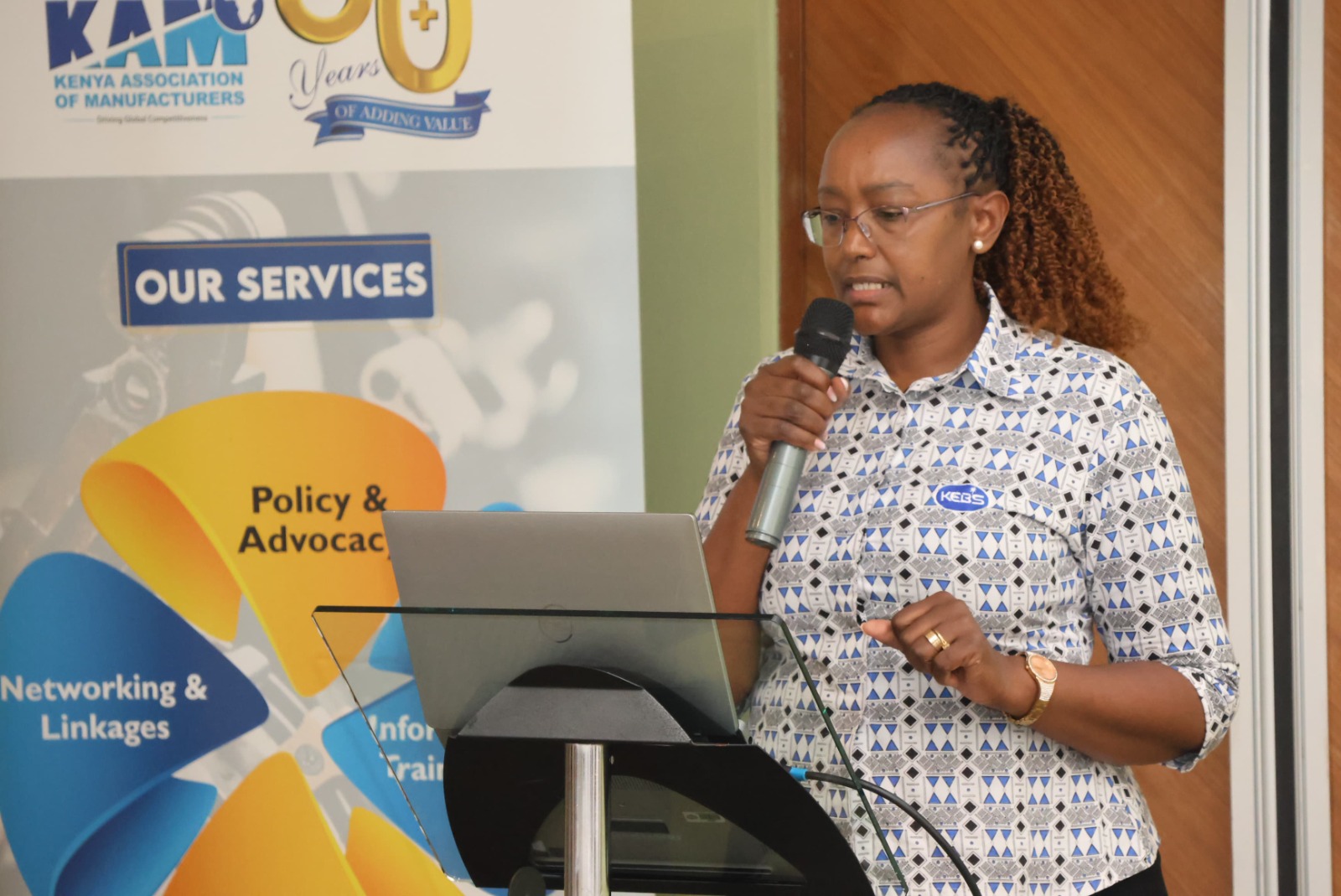 “Manufacturers have to step up their product traceability, as it remains their responsibility. Issues of repackaging and compromising the quality of cement are on the rise and it is the manufacturers responsibility to ensure even what is stocked by local dealers is up to standard,” noted Ms. Ngari.
The teams agreed to a proactive approach in maintaining the quality and standards as a way of giving Kenya’s construction products an edge in the global market.
Through the State department for Industry, the Government is also considering reducing the Export and Investment promotion Levy (EIPL) from the current 17.5 percent, to five percent as a way of attracting more investment in the sector and bringing down the costs of the vital products.