
County Governments Urged to Champion Inclusive Industrialization Through New National Policy
Industry Principal Secretary, Dr. Juma Mukhwana, has challenged Members of County Executive Committees (CECs) responsible for trade and industry to take a leading role in shaping and implementing Kenya's new National Industrialization Policy, describing county governments as indispensable partners in the country's industrial transformation.
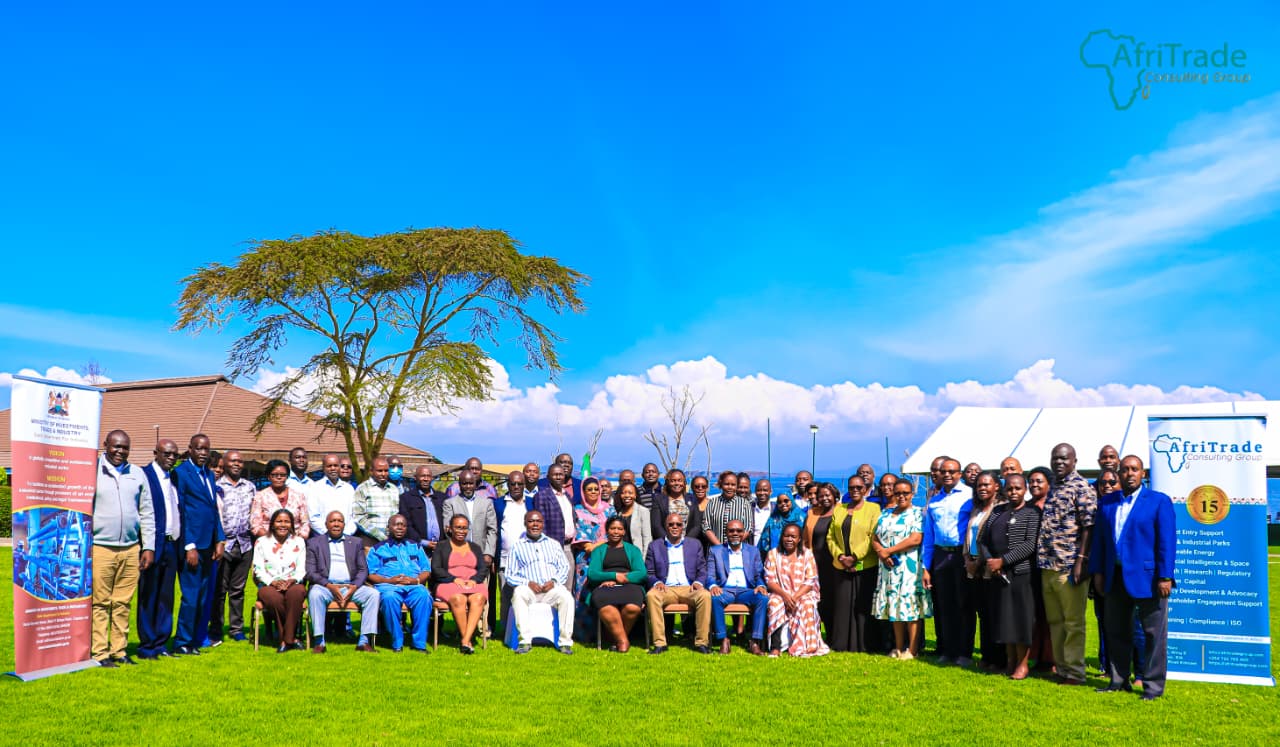
Speaking during the opening of a consultative workshop on the development of the National Industrialization Policy (NIP), attended by CEC Members from more than 40 counties, Dr. Mukhwana urged the county executives to actively submit their recommendations and proposals to ensure the policy reflects the unique priorities, resources and comparative advantages of every region.
The county executives reaffirmed their commitment to supporting the policy development process and working closely with the National Government to create an enabling environment for industrial growth, value addition and job creation across all counties.
"The policy we are developing is intended to strengthen harmonization between the National and County Governments while ensuring complementary roles and fair coordination between the two levels of government," said Dr. Mukhwana.
The Principal Secretary emphasized that value addition remains the cornerstone of Kenya's industrialization agenda, noting that the Government has already established County Aggregation and Industrial Parks (CAIPs) across the country to promote secondary production, agro-processing and manufacturing closer to the source of raw materials.
He further observed that the consultative workshop would help clarify the role of county governments in implementing the National Industrialization Policy while facilitating the mapping of industrial resources and investment opportunities available across the country.
To accelerate industrial growth, Dr. Mukhwana called on government institutions to make productive use of idle public assets, particularly land, by leasing them to manufacturers interested in establishing industries and expanding local production.
Industrialization Secretary, Prof. Erastus Gatebe, urged county governments to strengthen inter-county transport systems to facilitate aggregation of produce and raw materials, enabling counties to leverage their respective comparative advantages in manufacturing and value addition.
Prof. Gatebe further noted that the Government has initiated a nationwide programme to support constituency-level small-scale electricity generation projects capable of powering micro-industries, a move aimed at reducing energy costs and enhancing the competitiveness of local manufacturers.
The workshop is expected to deliberate on key policy priorities, including creating pathways for Micro, Small and Medium Industries (MSMIs) to grow into large industries, strengthening technical and vocational training institutions to meet industry demands, harmonizing licensing regimes, promoting exports and local content, and advancing research and innovation as key drivers of Kenya's industrial transformation.