State Department for Industry Undertakes Comprehensive Business Process Re-engineering to Enhance Efficiency and Service Delivery
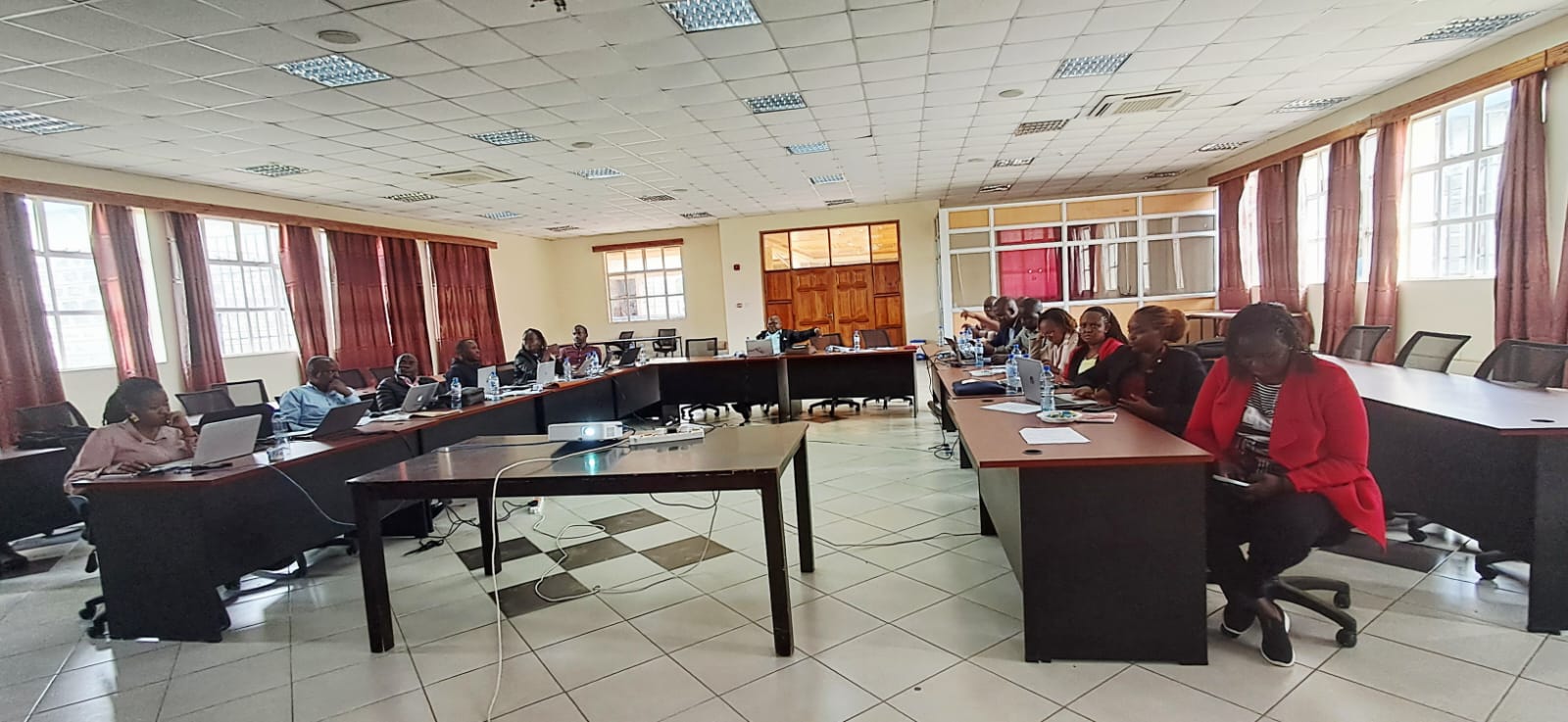
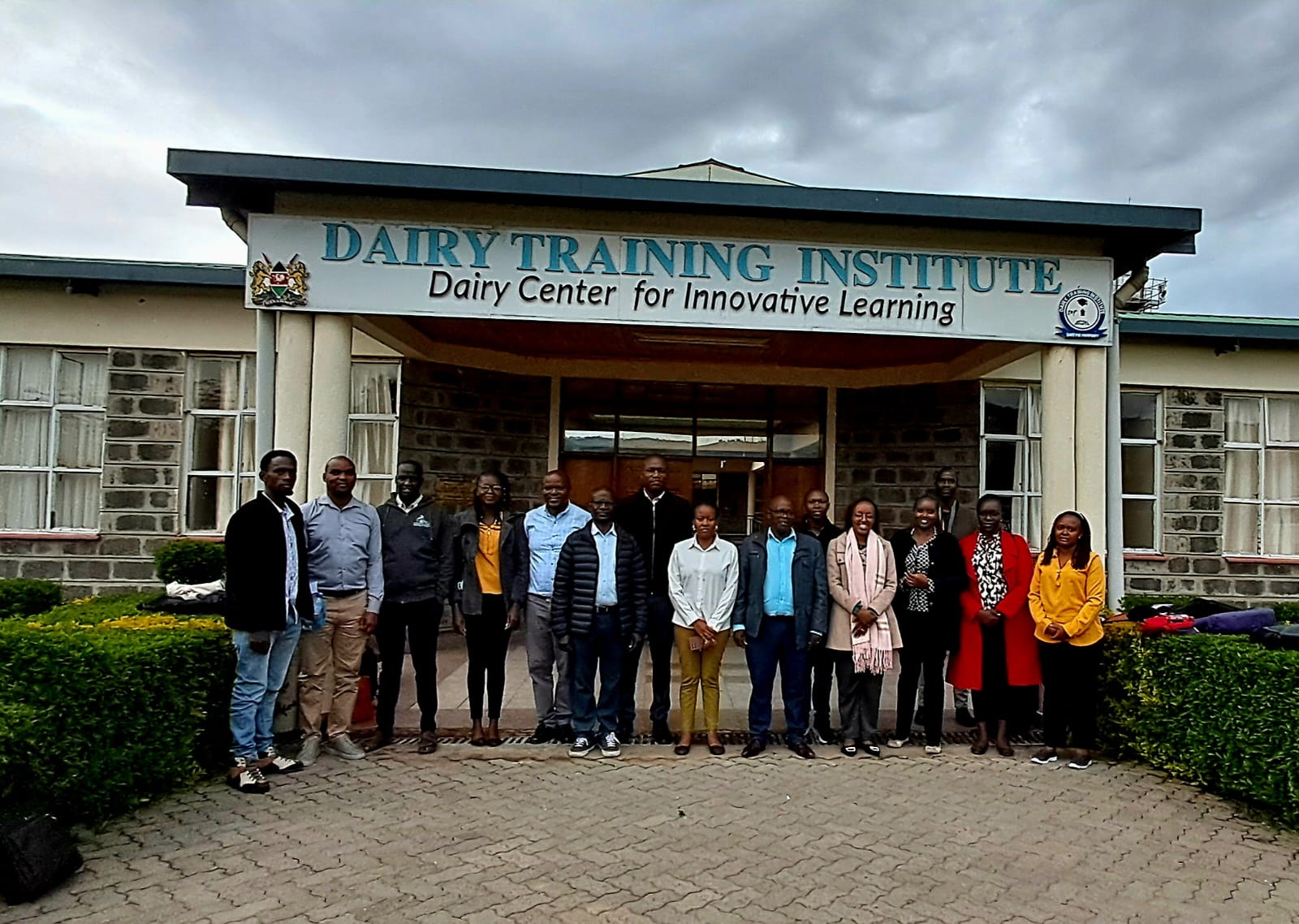
The State Department for Industry successfully convened a four-day intensive Business Process Re-engineering (BPR) workshop at the Dairy Training Institute (DTI), bringing together officers from key Directorates, including ICT, Chemicals and Minerals, Enterprise Development, Agro-Industries, Planning, and Communication. The workshop forms part of the Department’s ongoing reform agenda aimed at strengthening institutional efficiency, enhancing coordination, and improving service delivery to stakeholders within the industrial sector.
The BPR exercise was facilitated by technical experts from the state department for Public Service & Human Capital development, under the reforms directorate, who guided participants through a structured and participatory process of reviewing, analyzing, and redesigning the SDI's core business processes. The initiative underscores the Department’s commitment to adopting modern management practices that promote effectiveness, accountability, and responsiveness in line with government priorities and the dynamic needs of industry.
The workshop commenced with a focus on building a common understanding of BPR as a critical reform tool. Participants were taken through the principles and significance of re-engineering processes to eliminate inefficiencies, reduce duplication of functions, and streamline workflows. Emphasis was placed on the need to align operations with the broader national development agenda, including industrial growth, innovation, and improved public service delivery.
On the second day, participants engaged in detailed presentations of AS-IS process mapping, outlining the current state of operations across selected various directorates. These presentations provided a clear baseline for assessing existing workflows and identifying gaps, redundancies, and bottlenecks. The plenary sessions that followed allowed for robust discussions, enabling participants to validate and refine the process mapping through collective feedback. Key challenges affecting efficiency and service delivery were identified, forming the basis for subsequent improvement measures.
The third day marked a critical transition from analysis to redesign. Participants presented the challenges identified within the AS-IS processes and proposed practical resolutions aimed at addressing inefficiencies. Through collaborative engagements and guided facilitation, teams developed recommendations for TO-BE processes that are more streamlined, integrated, and responsive. The redesigned process maps were subjected to rigorous plenary interrogation, ensuring that they are not only practical and implementable but also aligned with the Department’s strategic objectives and performance targets.
The final day of the workshop focused on consolidating the gains achieved and laying the groundwork for implementation. Participants made final group presentations of the TO-BE processes, which were reviewed and refined through plenary feedback. A comprehensive ICT analysis was undertaken to determine the technological requirements necessary to support the reengineered processes, with a focus on digitalization, automation, and improved data management.
Further deliberations examined existing policies, regulations, procedures, and legislation to ensure that they adequately support the proposed process changes. This review was critical in identifying areas requiring policy alignment or amendment to facilitate smooth implementation. Human Resource considerations were also addressed, with strategic decisions outlined to ensure that staff capacities, roles, and structures are aligned to the redesigned processes.
Additionally, presentations from ICT and Human Resource teams provided insights into the enablers required for successful implementation, including systems integration, capacity building, and change management. These inputs informed the development and assignment of responsibilities for the preparation of a comprehensive BPR implementation work plan.
The workshop concluded with the formulation of a clear and actionable implementation roadmap aimed at institutionalizing the redesigned processes across the Department. The BPR initiative is expected to significantly improve turnaround times for service delivery, enhance accountability, optimize resource utilization, and strengthen inter-directorate coordination.
Ultimately, the re-engineering of processes positions the State Department for Industry to deliver more efficient, transparent, and citizen-centered services while fostering innovation and supporting the realization of Kenya’s industrial transformation agenda and broader socio-economic development goals.